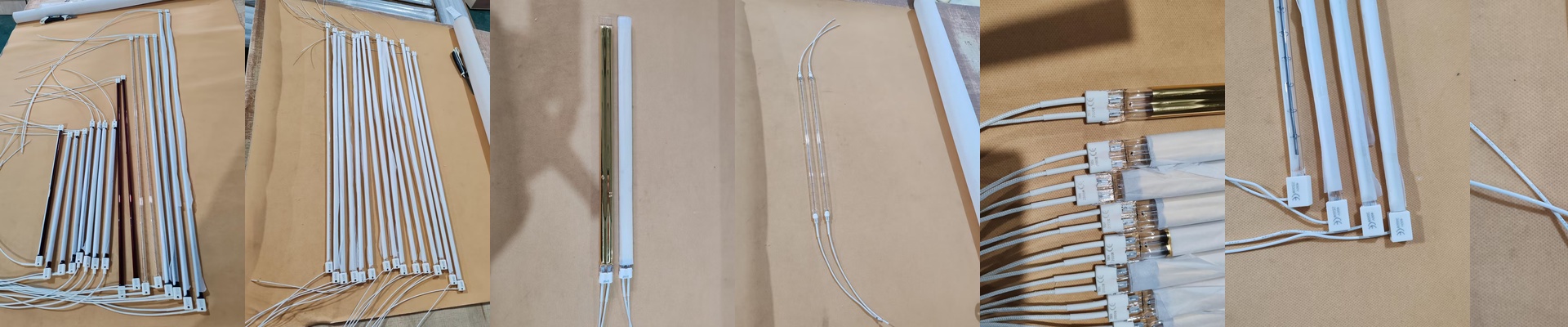
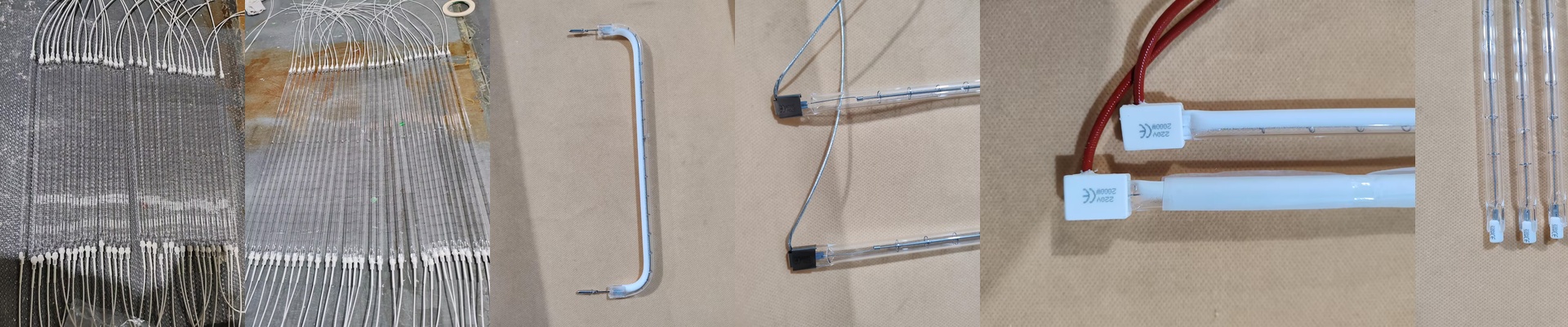
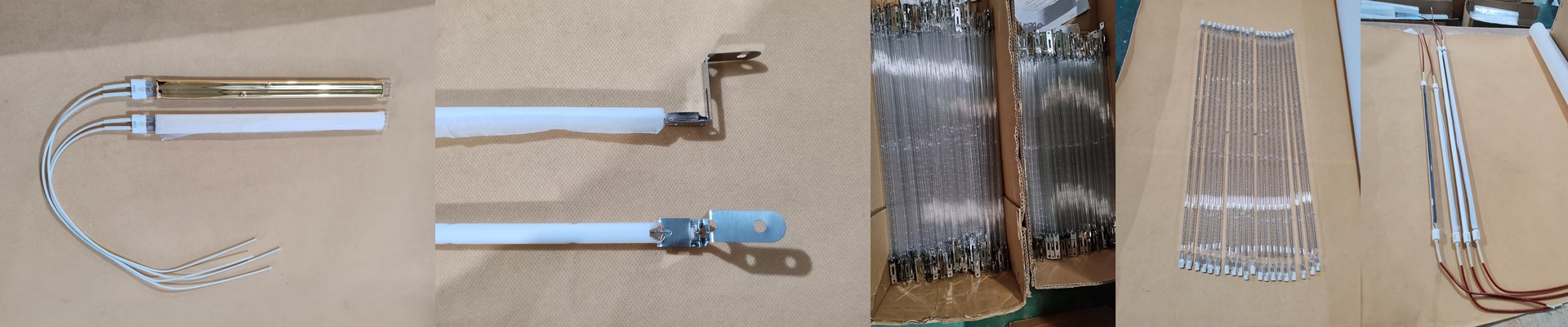
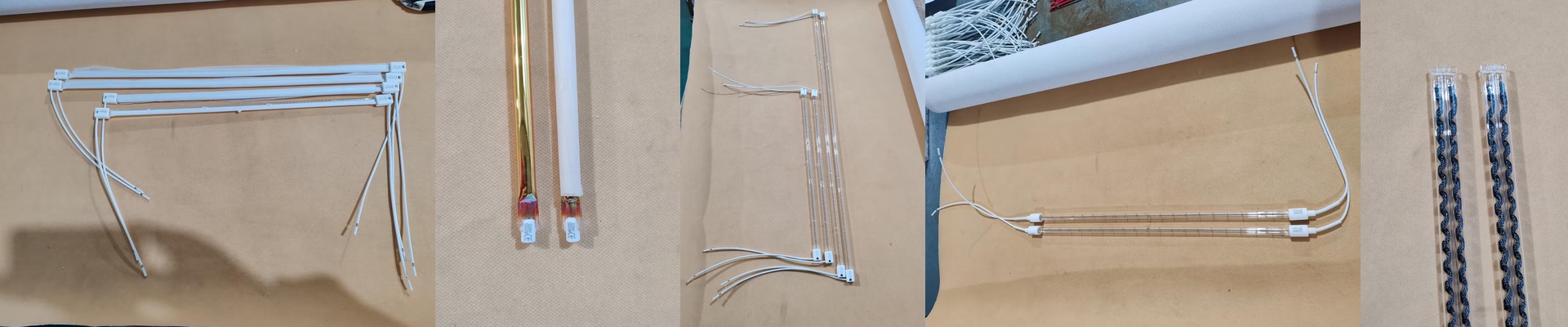
Could swapping your IR elements actually shave 20% off your power bill?
Let’s be honest: most old plastic drying tunnels are basically giant energy leaks. You’ve got these legacy systems running on heaters that are either ancient or completely scaled over, just wasting heat into the air. I’ve seen it a hundred times. But here’s the thing—you can actually hit a 20% saving on your energy costs just by swapping those old elements for modern quartz infrared heaters. Though, it isn’t as simple as just plugging in a new bulb; the physics has to line up.
Stop heating the air
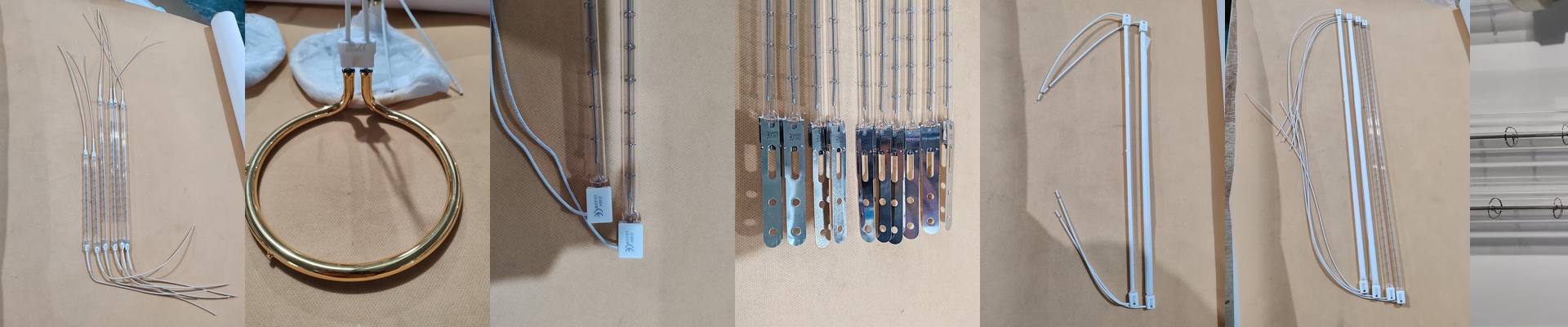
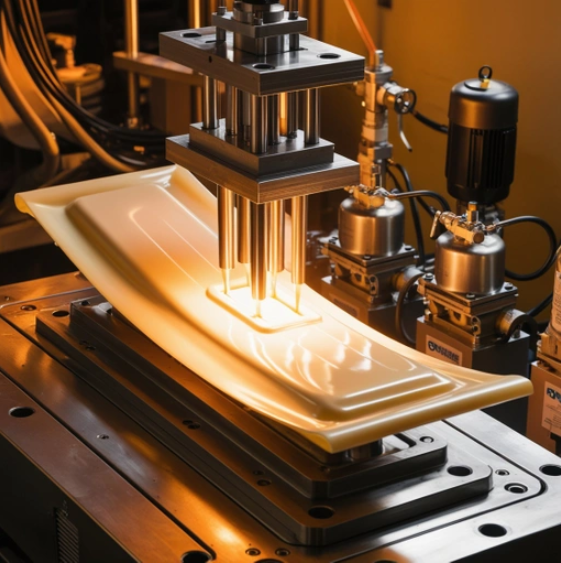
Most of those old tunnels work by heating the air first, and then hoping that air heats the plastic. It’s slow and inefficient. Quartz IR heaters do things differently. They skip the air entirely and send energy straight into the polymer chain. We use high-purity quartz glass to wrap the tungsten filament, which lets the tube get screaming hot without the wire oxidizing and burning out.
Getting the specs right
If you want that 20% saving, you can’t just grab any tube off the shelf. You have to match the wavelength to the specific plastic you’re using. Short-wave quartz is great when you need high heat density for fast surface curing. But if you’re dealing with thicker plastic parts that need heat to soak deep inside, medium-wave is your best bet. And a word of caution: watch your breakers. If you throw high-wattage tubes into a system built for low-draw elements, you’re going to have a bad day. We always audit the power footprint first. Plus, if you’re still using old PID controllers, they might be too slow to keep up with how fast quartz reacts. You’ll probably want to update your sensors so you don’t accidentally melt your material.
The catch
Nothing is perfect. Quartz tubes are fragile. If you blast them with cold air right when you start up, the thermal shock can crack them. They’re also picky about cleanliness. A little bit of plastic dust or a smudge of oil on the glass creates a barrier that kills your efficiency. You’ve also got to be careful with how you mount them. If there’s too much mechanical stress on those glass seals, they’ll snap. Treat them with a bit of care, and they’ll save you a fortune.