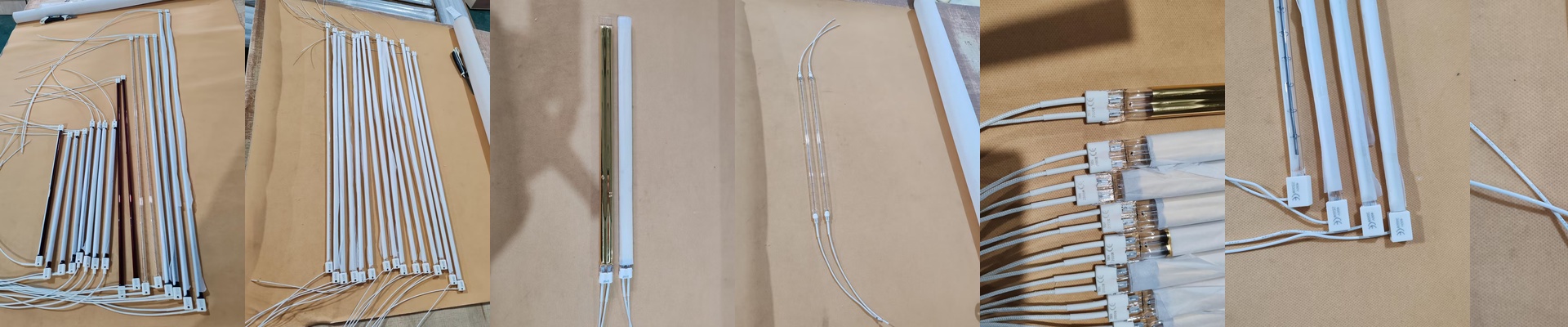
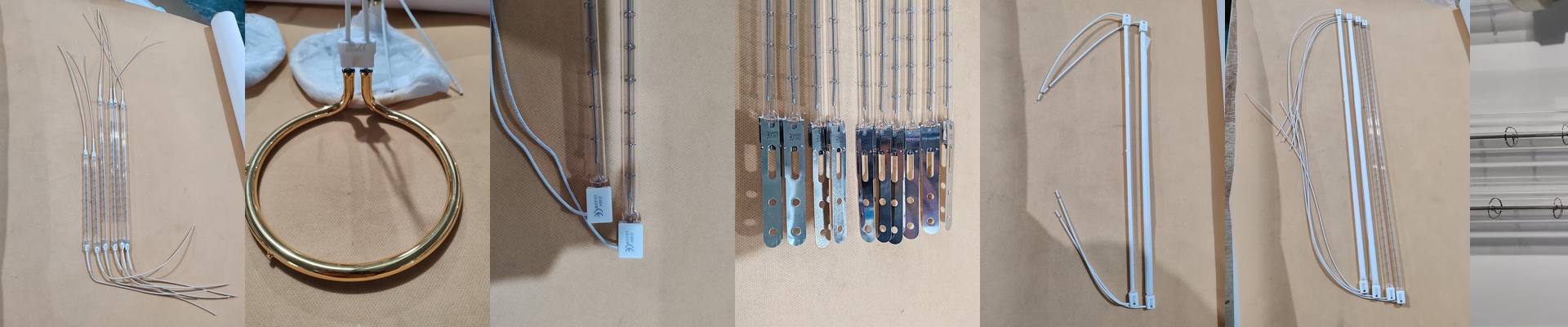
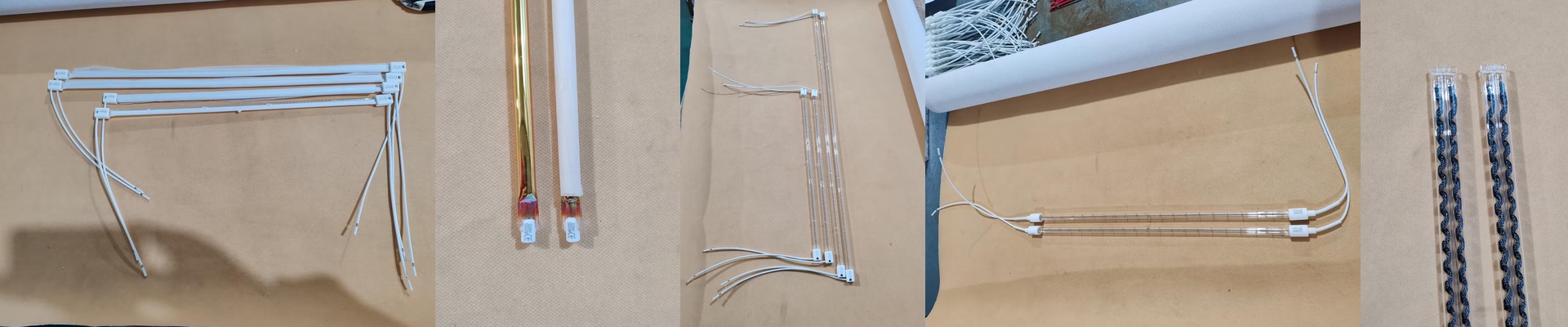
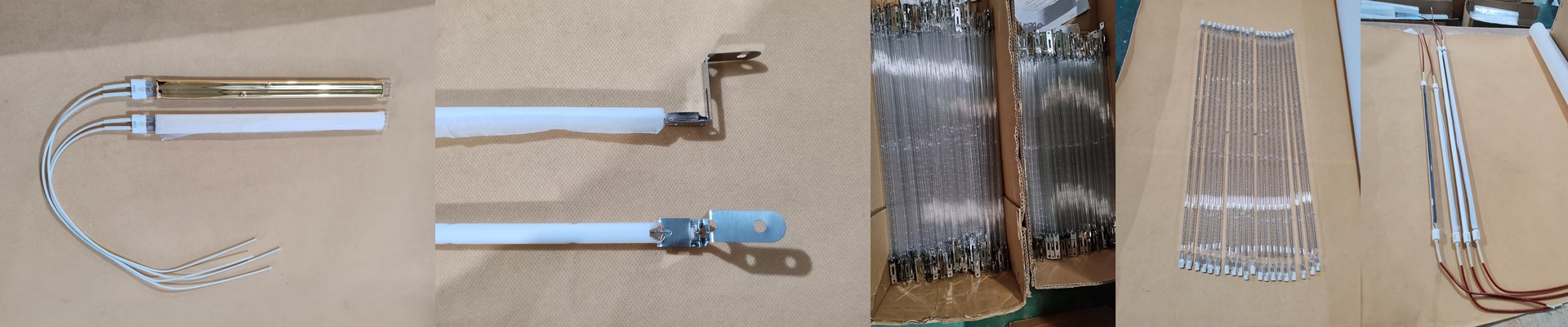
A No-Nonsense Guide to Our IR Quartz Halogen Lamps
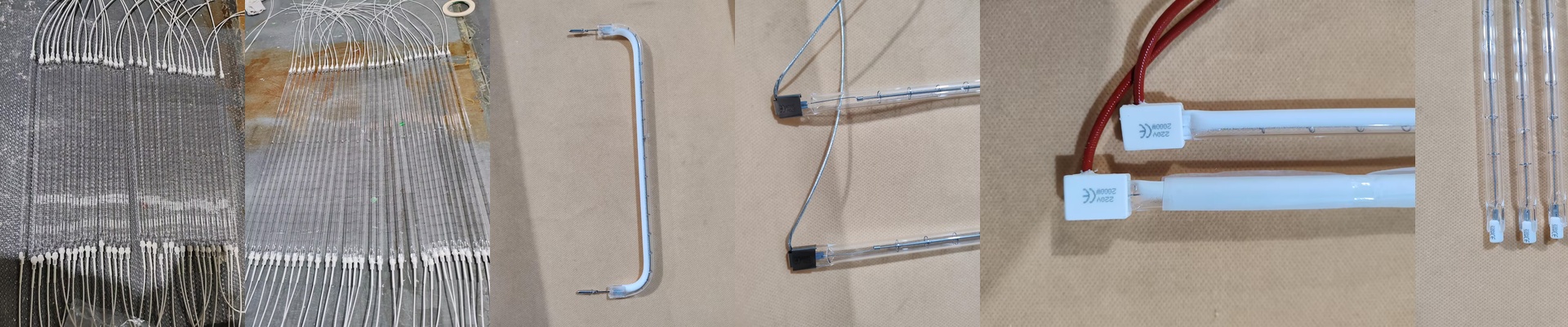
When we build these lamps, we’re really just trying to find that sweet spot where you get massive heat without blowing your energy budget. We use a halogen cycle inside a high-purity quartz tube. Why? Because it stops the tungsten filament from gunking up the glass. It keeps the tube crystal clear and stops the lamps from burning out way too early, which is a huge headache with standard IR heaters. Let’s talk about the heat. The trick here is the spectral output. These lamps push energy into the short-to-medium wave infrared bands. In plain English: the heat goes straight into your workpiece. It doesn’t waste time heating up the air around it. But a word of warning on the power side. You’ve got to match your wattage and voltage to your power supply exactly. If you run them too low, you’ll barely feel any heat. Go too high?**Snap.**Your filament is gone in a heartbeat. The build and the fit We went with quartz because it’s a beast when it comes to thermal shock. You can blast it with heat and it won’t crack on you. For the connections, we usually stick with R7s or Sk15 bases. We do this so you can just pop a new one in without having to rip out and rewire your entire heating bank. And if you’re using the coated tubes, just keep in mind that the coating tweaks the wavelength so your material absorbs the heat more efficiently. The trade-offs Here’s the best part: these things are instant. No waiting around for a coil to warm up. You flip the switch, and you’re cooking. But there is a catch. That kind of heat density puts a lot of pressure on your sockets. If your wiring is loose or you’re using cheap sockets, they will melt. It’s that simple. Plus, make sure your cooling fans are actually up to the task. If the heat builds up too much around the housing, you might find your machine frame starting to warp. Not a great look.