Stop Wasting Power on Your Plastic Processing
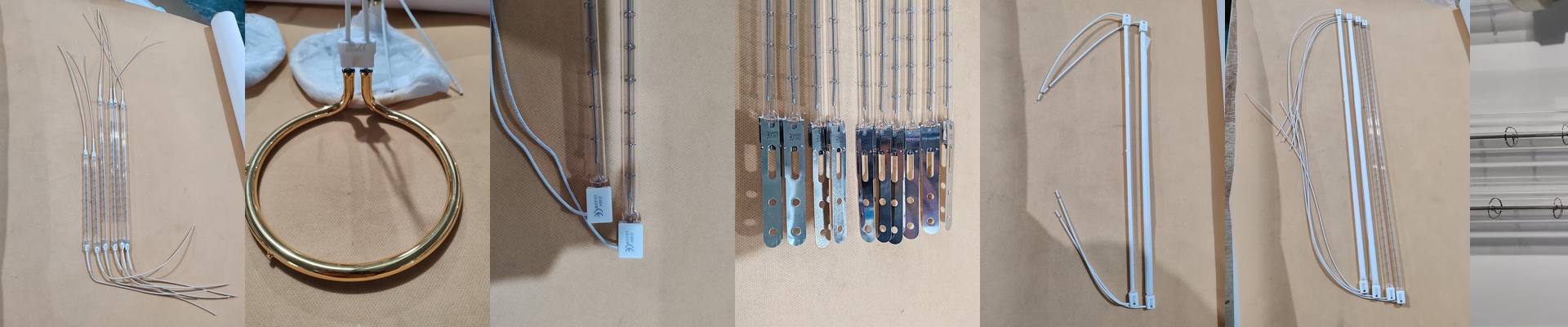
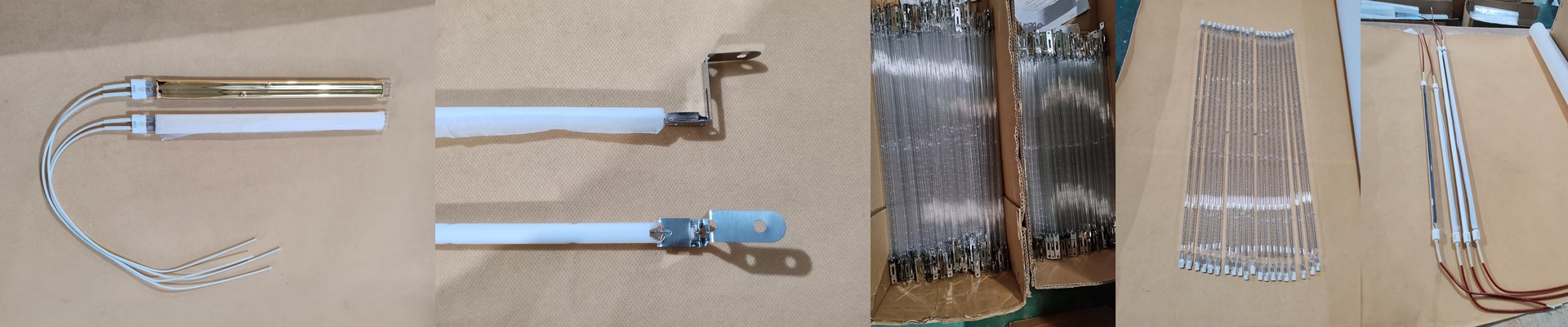
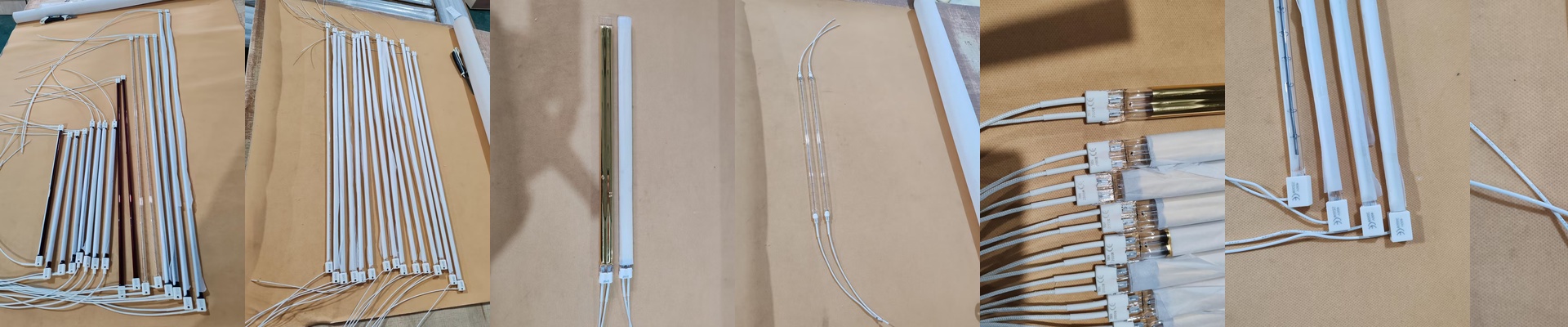
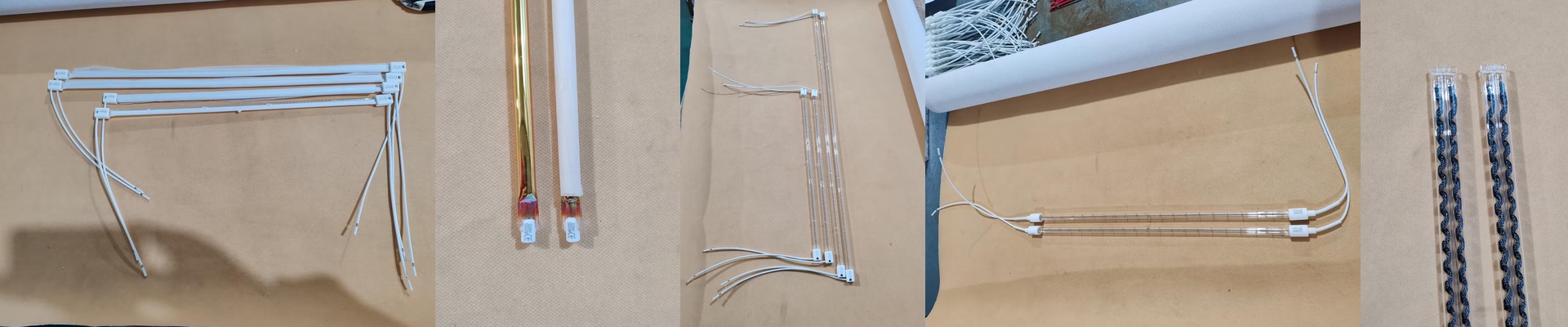
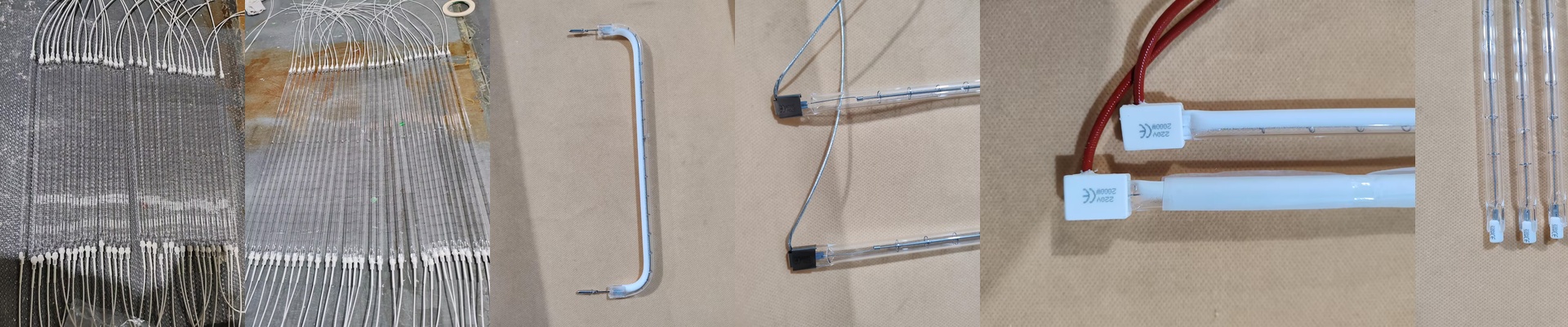
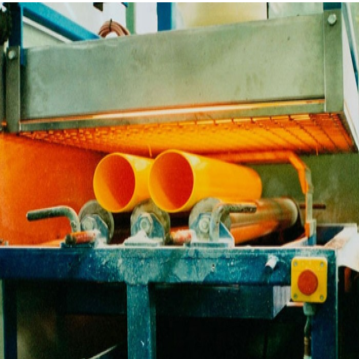
If you run a plastic processing plant, you know the drill. You’re fighting a constant war with your energy bill. Most shops are still using old-school heating elements that basically act like space heaters for the factory floor. They’re pumping heat into the air where it does nothing, instead of pushing it into the material where it actually belongs. That’s why we make our quartz infrared heaters. The goal is simple: stop heating the room and start heating the polymer. The secret is in the density. When we’re designing a quartz lamp, we look at the voltage and wattage to dial in the heat density. If we put high wattage into a small footprint, your machines ramp up way faster. It means you aren’t sitting around wasting power while you wait for things to get up to temp. But a word of warning: don’t just crank the wattage without checking your gear. If your wiring isn’t rated for that kind of current, you’ll fry your connectors. It’s a quick way to turn a productivity win into a maintenance nightmare. Better glass, better results. We use high-purity quartz glass because the last thing you need is a tube warping after a few thermal cycles. Some of our lamps even have special coatings. These shift the emission spectrum so the heat actually sinks deep into thick-walled parts. No more scorched surfaces with a cold core. And we kept the fit simple. We use standard R7s or Sk15 bases. You can just pop these into your existing rigs and get to work. What this actually does for your wallet. Cheap heaters are a pain. They flicker, they lose punch after a few hundred hours, and they force you to stop the line. Our quartz tubes stay stable. Think about it this way: if you can shave just two seconds off your cycle time because the heat is penetrating the plastic faster, your hourly output jumps. That’s where your actual profit lives—lower bills and more parts out the door. Just do me a favor: keep your cooling fans clean. Quartz tubes really don’t like it when heat builds up unevenly across the glass. Keep them breathing, and they’ll take care of you.