The Real Cost of a Blown Lamp
When a lamp burns out on your production line, the cost isn’t just the price of a new tube. It’s the silence. That sudden stop in the middle of a run kills your momentum. If you’re running high-speed PET blowing or curing lines, those few minutes spent swapping glass aren’t just “downtime”—they’re lost bottles, lost parts, and a massive hit to your daily numbers. It’s a slow leak in your productivity that most people just accept. But you shouldn’t.
Why Some Tubes Just Last Longer
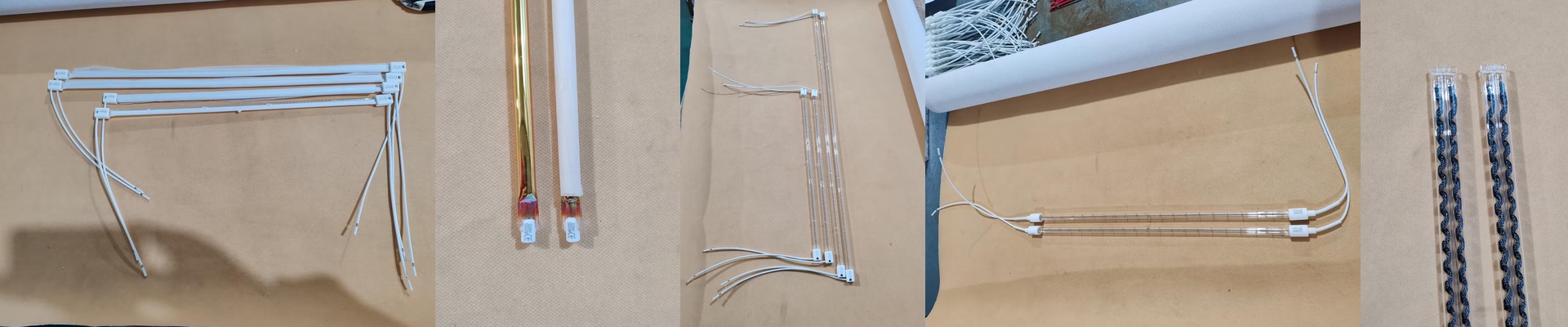
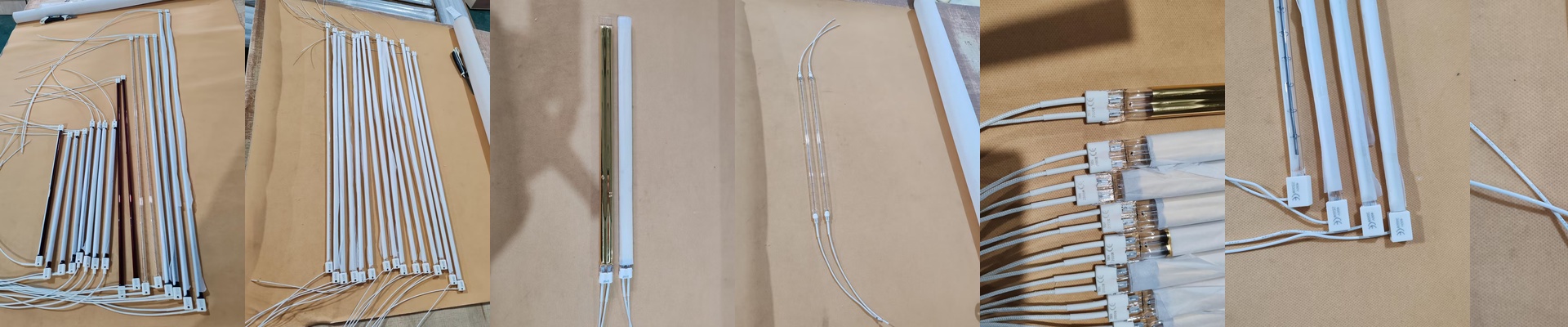
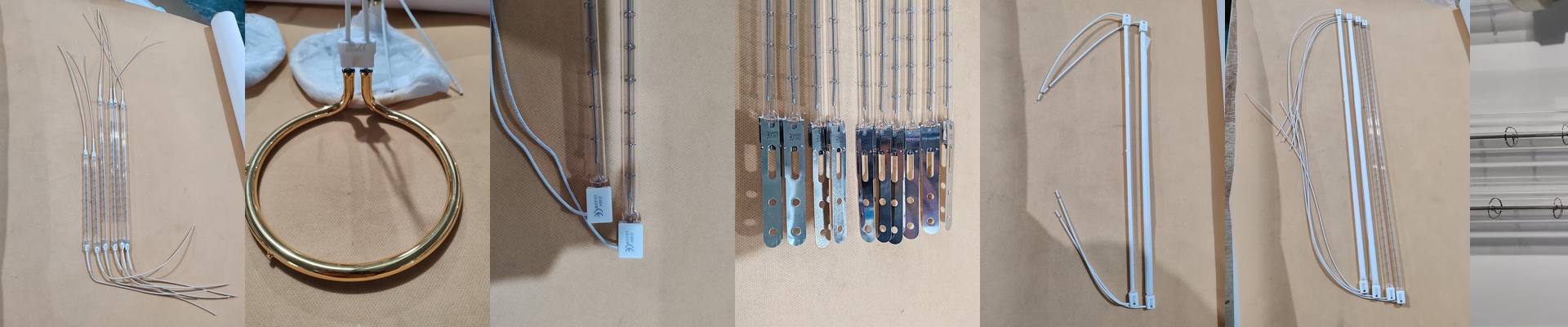
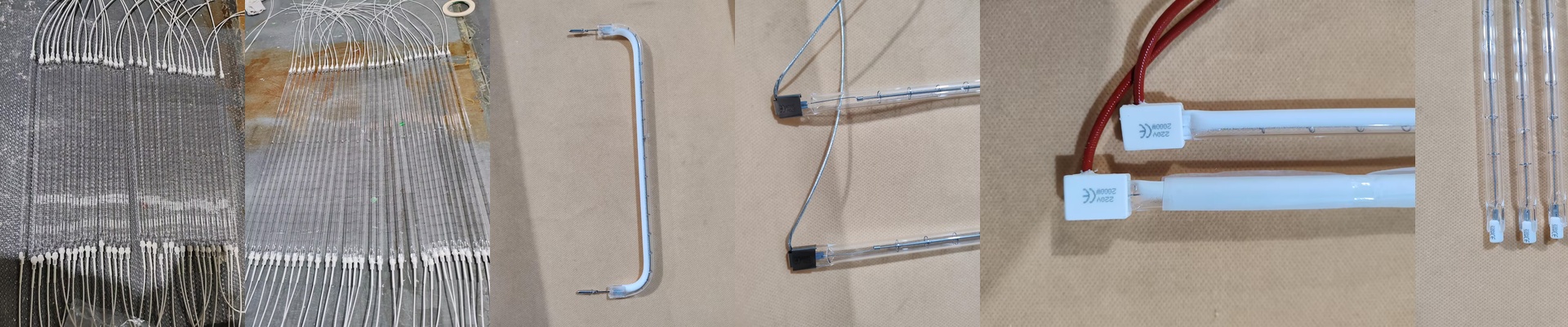
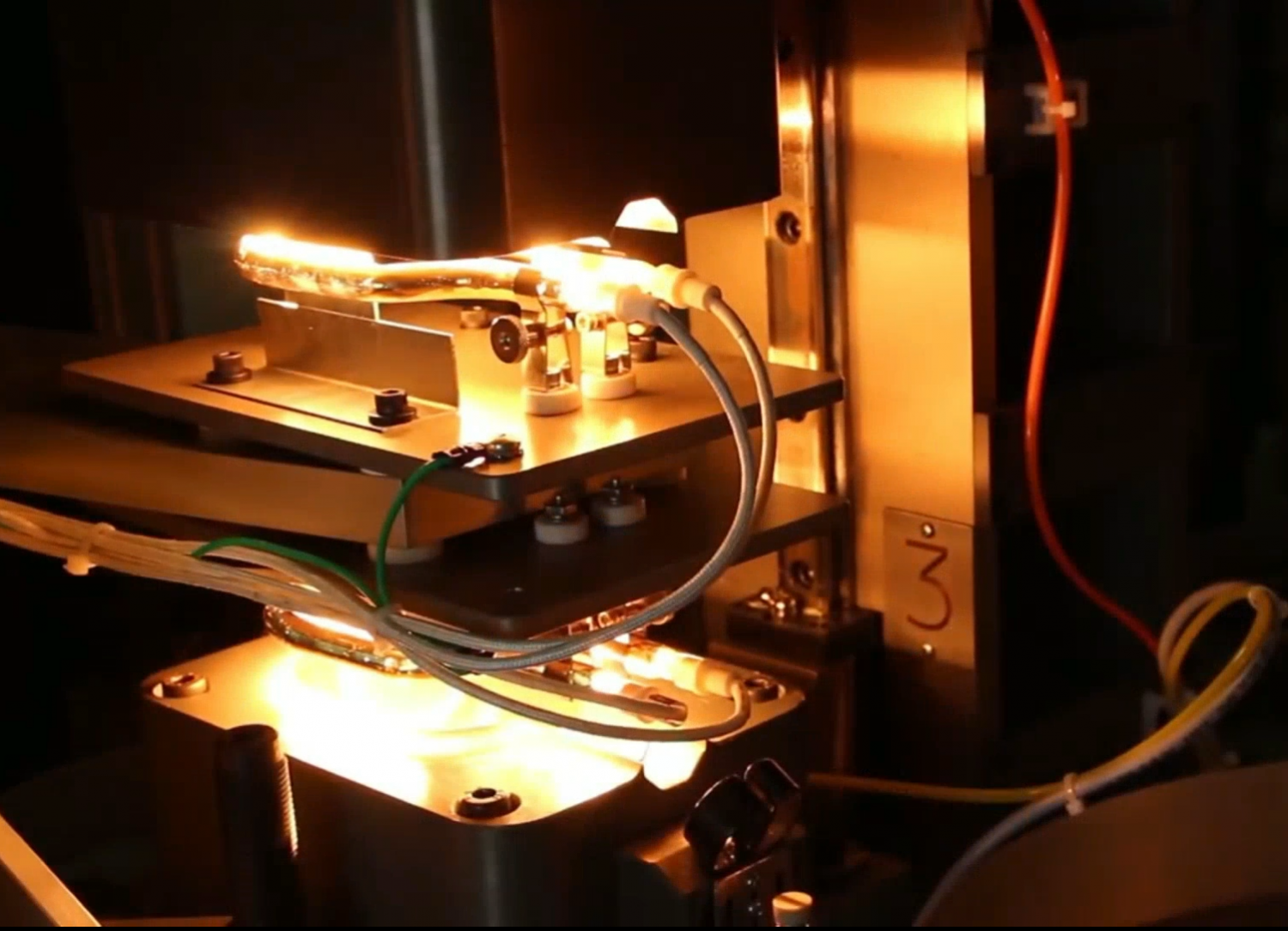
Here is the deal with the physics: we build our quartz heaters to take a beating. Most of our tubes use a halogen-filled quartz envelope. Why? Because it lets the filament run hotter without evaporating nearly as fast as those standard vacuum lamps. When you need high wattage, you get a punch of heat that hits your material instantly. But there’s a catch. All that power creates a lot of “heat soak.” These tubes dump a ton of energy into the housing. If your cooling fans aren’t up to the task, you’re going to end up with warped reflectors or fried wiring. It’s a balance.
Swapping Them Out Without the Headache
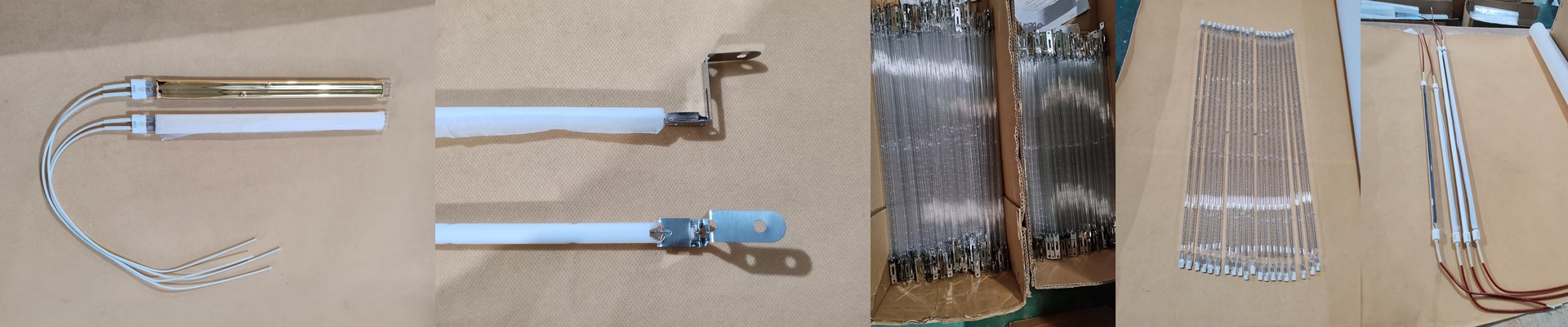
Nobody wants to spend their shift rewiring a machine. That’s why we stick to standardized R7s and Sk15 connectors. They’re simple drop-in replacements. You pull the dead tube, slide the new one in, lock it, and you’re back in business. We also obsess over the pinch-seal tolerances. That’s the spot where cheap lamps usually leak gas and die early. We make sure it’s tight so you aren’t replacing the same tube every other week.
Getting Your Time Back
At the end of the day, it’s about how often you have to stop. By using high-purity quartz and getting the filament load just right, we push the time between failures way out. You spend less time on the shop floor messing with glass and more time actually hitting your targets. It’s a better way to work. Your technicians stop fighting the gear and the line just… runs.