Switching Your Quartz Heaters: Can You Actually Trust the Domestic Stuff?
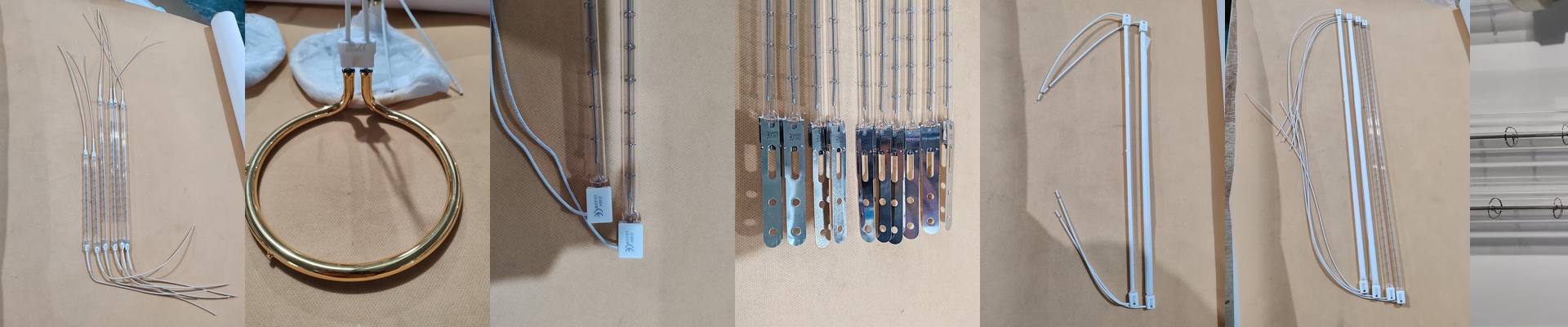
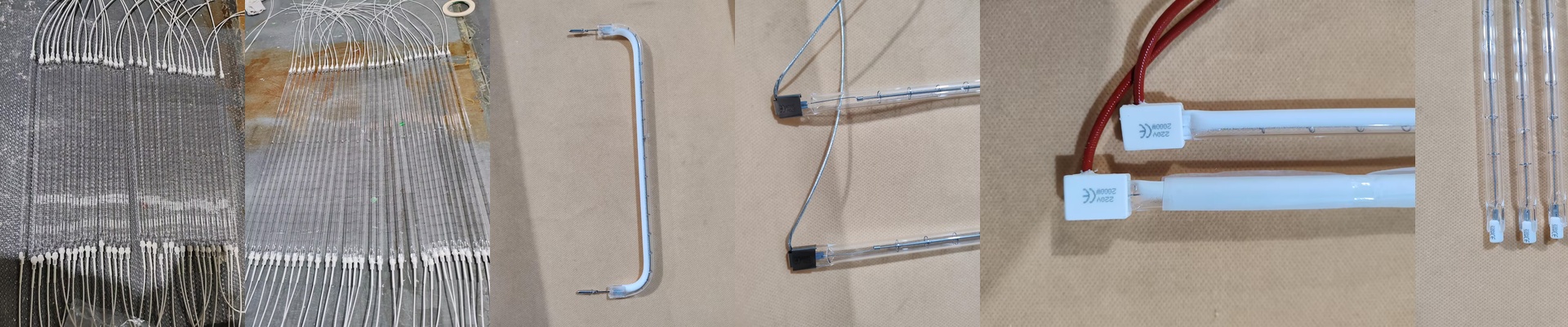
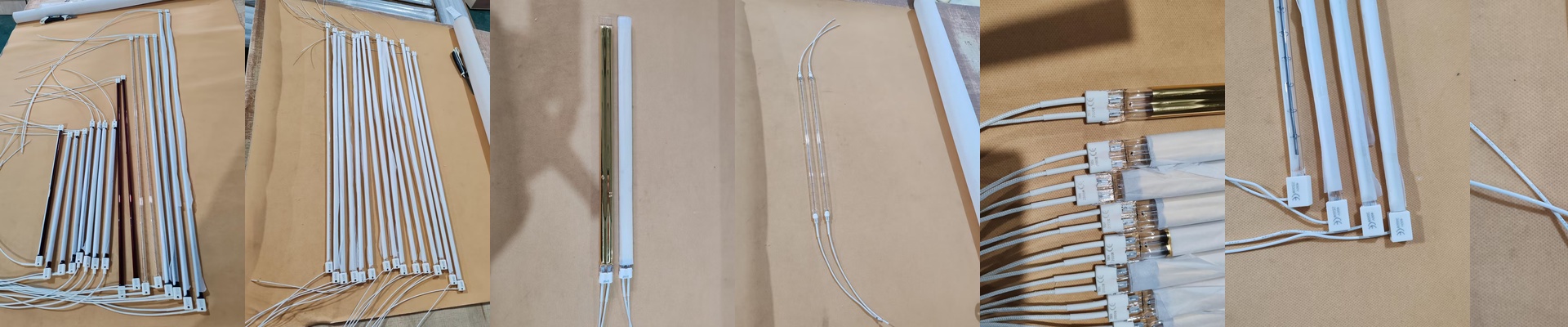
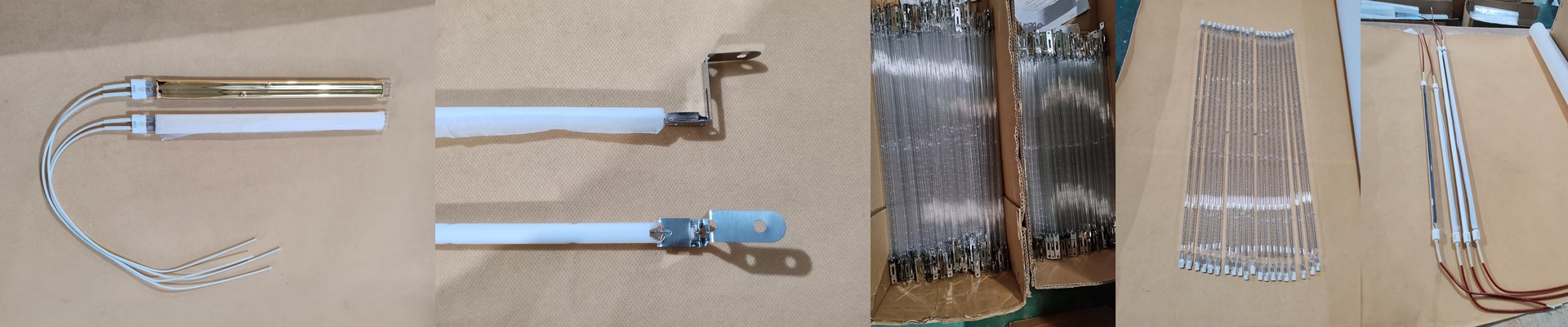
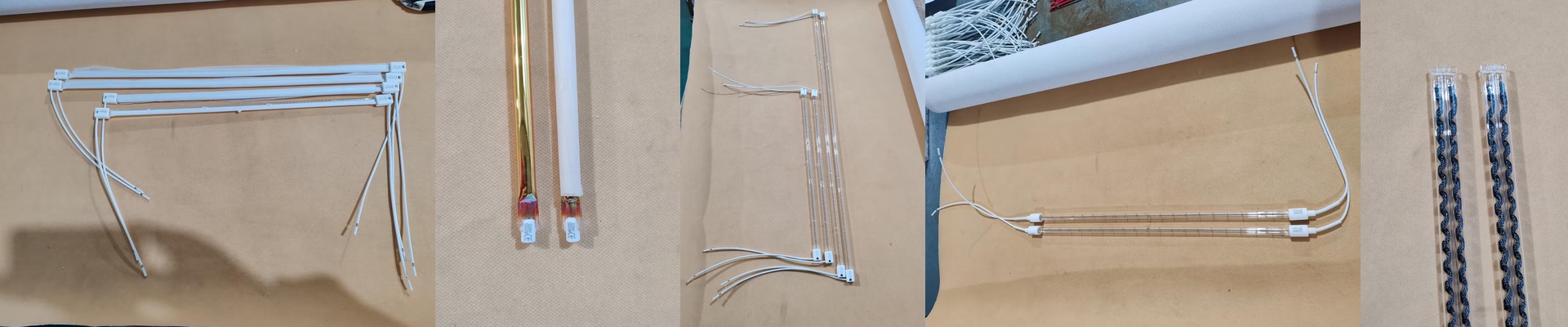
If you’re in automotive injection molding, you know the drill. Your thermal tolerances have to be spot on. For a long time, the “safe bet” was to stick with European quartz heaters. They were consistent, they worked, and they were the gold standard for high-end molds. But things are changing. A lot of Tier-1 suppliers are starting to move toward domestic Chinese alternatives. Why? Because waiting weeks for a shipment from Europe is a nightmare, and the costs add up. The goal is to cut lead times and save money without slowing down the cycle. The heat factor Here is the thing: you can’t just swap one tube for another and hope for the best. It all comes down to watt density. If you’re replacing a 230V or 400V European tube, the new one has to hit that exact same surface temperature. If it doesn’t, you’ll end up with cold slugs in your plastic, and that’s a recipe for scrap. We build our tubes to match those specific power curves. A 2500W tube puts out a massive amount of heat. Just a heads-up: check your control boards. If your wiring is too thin to handle the inrush current, you’re going to fry your contacts. Will it actually fit? Most “cheap” replacements fail at the connectors. It’s frustrating. We use high-purity fused quartz so the tubes don’t bow when they get hot. Plus, we stick to standard R7s and Sk15 footprints. This means they just drop right in. No rewiring the machine, no hacking away at the heater brackets. It just works. One thing to keep in mind: when you cram higher wattage into a smaller space, it puts a lot of stress on the seal where the quartz meets the metal. We’ve tweaked the expansion coefficients to stop the glass from cracking during those rapid heat cycles. But please, keep your cooling fans running. You don’t want your terminals overheating. Proof over promises Let’s be real. Engineers don’t care about a glossy brochure. You want data. Switching suppliers while you’re in the middle of a production run is nerve-wracking. To take the guesswork out of it, we use comparative thermal mapping. We measure the infrared emission spectrum of our heater against the original European part. We show you that the heat penetrates the mold at the same rate, so your plastic melts evenly every single time. That’s how you know it’s actually safe to make the switch.